June 2, 2026
Synthetic grass can be a practical choice for homeowners who want a lawn that looks clean, green, and consistent without the regular demands of mowing, watering, fertilizing, and reseeding. It has become popular for residential yards, pet areas, play spaces, patios, putting greens, and commercial properties because it offers a polished appearance with less seasonal upkeep.
Before choosing
synthetic grass, homeowners should think about cost, drainage, heat, materials, durability, and how the yard will be used. Some families want a cleaner space for children and pets, while others want to reduce water use or cut back on weekly maintenance. The right choice depends on your budget, climate, yard layout, and long-term goals.
1. What Synthetic Grass Is Made From
1.1 Common Turf Materials
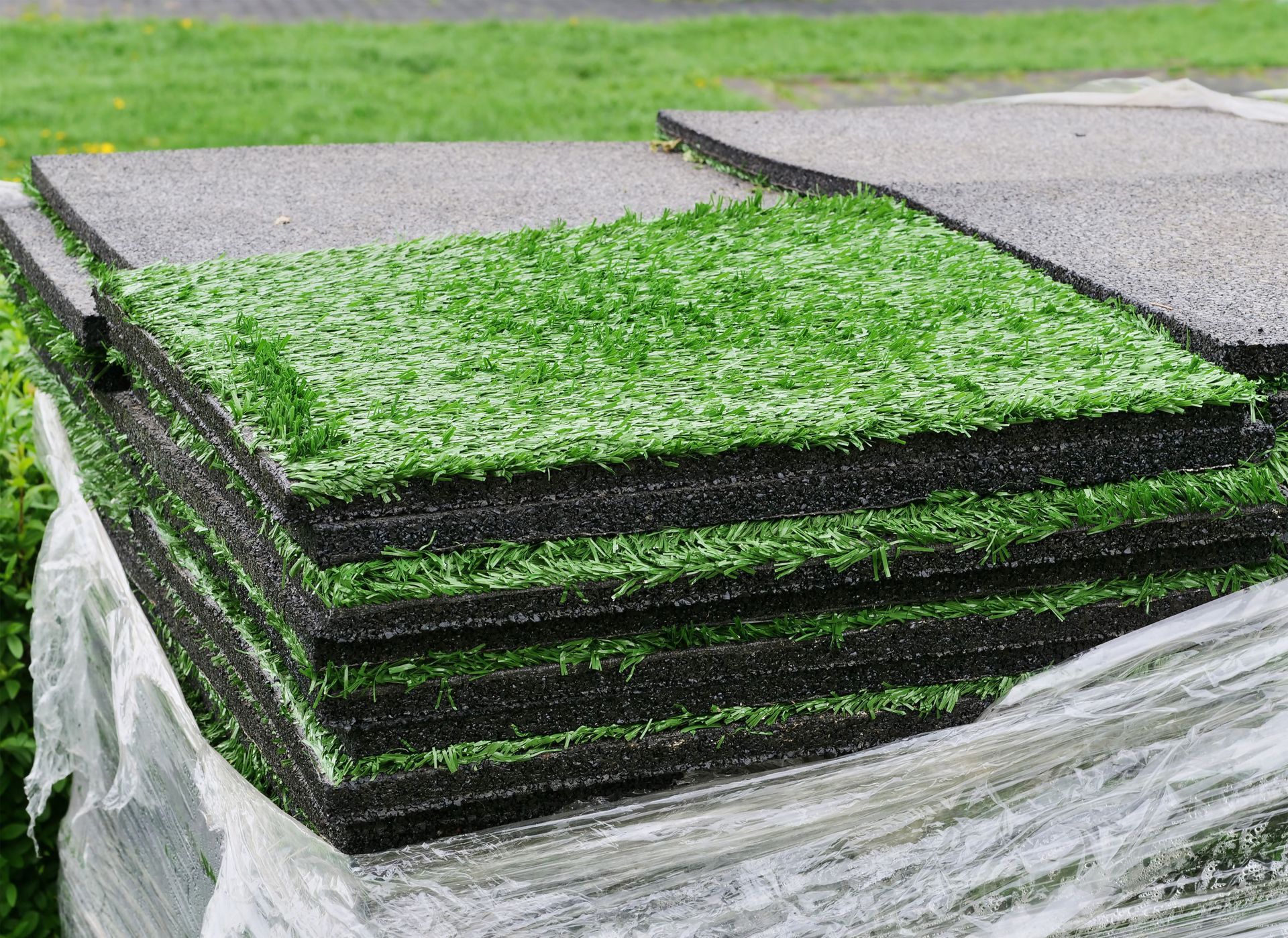
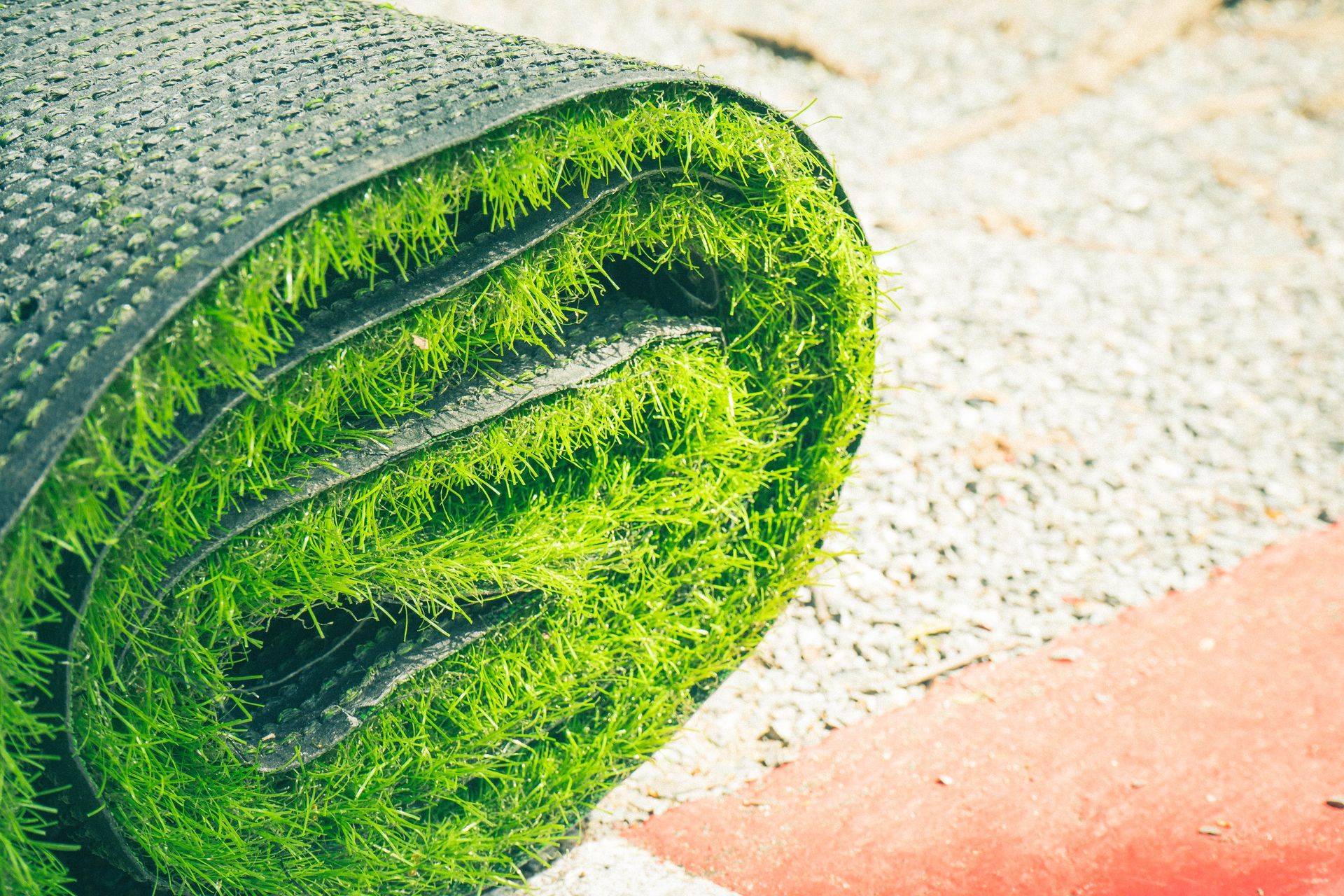
Synthetic grass is typically made from polyethylene, polypropylene, or nylon fibers attached to a backing system. Polyethylene is often chosen for its soft texture and natural appearance. Polypropylene is usually more affordable, but it may not hold up as well in high-traffic spaces. Nylon is strong and resilient, making it a good option for areas that need extra durability.
1.2 Blade Shape and Texture
The look and feel of synthetic grass can vary based on blade shape, pile height, density, and color blend. Some products are designed to look lush and manicured, while others mimic a more natural lawn with subtle brown thatch tones mixed into the backing. These details help the turf look more realistic once installed.
1.3 Backing and Drainage
A quality backing system is important because it supports the turf and helps water move through the surface. Drainage holes allow rain, rinsing water, and pet waste runoff to pass into the prepared base below. Without proper drainage, the lawn may develop puddles, odors, or uneven areas over time.
2. Benefits for Homeowners
2.1 Lower Lawn Maintenance
One of the biggest reasons homeowners choose synthetic grass is the reduced maintenance. It does not need mowing, edging, fertilizing, or regular watering to stay green. Occasional rinsing, brushing, and debris removal can help the surface stay clean and attractive.
2.2 Year-Round Appearance
Synthetic grass can stay green through hot summers, dry periods, and cooler seasons. Natural lawns may turn brown, thin out, or develop bare patches when weather conditions change. According to the Synthetic Turf Council, U.S. households use nearly 9 billion gallons of water per year on their yards. Turf offers a steady appearance without the maintenance, which can help improve curb appeal and make outdoor spaces look more finished throughout the year.
2.3 Water Savings
For homeowners in areas where water use is a concern, synthetic grass may reduce the need for routine irrigation. This can be especially useful in drought-prone regions or yards where maintaining natural grass requires heavy watering. Lower water use can also help reduce monthly utility costs.
3. Environmental Considerations
3.1 Reduced Chemicals
Synthetic grass removes the need for many lawn chemicals, including fertilizers, herbicides, and pesticides. This can be helpful for homeowners who want to reduce chemical runoff around their homes, gardens, and outdoor living spaces.
3.2 Heat Retention
One possible drawback is heat retention. Turf can become warmer than natural grass in direct sunlight, especially during hot afternoons. Homeowners can manage this by choosing lighter-colored products, adding shade, rinsing the surface, or using turf in areas that do not receive constant sun exposure.
3.3 End-of-Life Disposal
When evaluating synthetic grass, it is also important to think about what happens when the product reaches the end of its lifespan. Some manufacturers offer recycling or take-back options, while others may require disposal through local waste services. Asking about product lifespan and disposal options before installation can help homeowners make a more informed decision.
4. Cost and Long-Term Value
4.1 Upfront Cost
Synthetic grass usually costs more upfront than planting natural grass seed or sod. The price may include turf materials, base preparation, drainage improvements, labor, infill, edging, and waste removal. Larger yards, slopes, pet areas, and complicated layouts may increase the total project cost.
4.2 Ongoing Savings
Although the initial investment can be higher, synthetic grass may lower long-term costs by reducing water use, lawn equipment needs, fertilizer purchases, and regular landscaping expenses. Homeowners who already pay for routine lawn care may notice more meaningful savings over time.
4.3 Property Appeal
A clean, even lawn can make a property look more inviting. For some buyers, synthetic grass may be appealing because it reduces maintenance. Others may prefer natural grass, so the value depends on the local market, climate, and buyer expectations.
5. Installation Factors
5.1 Site Preparation
Proper site preparation is one of the most important parts of a successful installation. The existing lawn or debris must be removed, the soil should be graded, and a compacted base should be added. This helps create a smooth surface and supports proper drainage.
5.2 Seaming and Edging
Professional-looking results depend on careful cutting, seaming, and edge securing. Poor seams can make the lawn look uneven or artificial. Strong edging also helps prevent lifting, shifting, and movement along patios, walkways, garden beds, and fences.
5.3 Infill Selection
Infill helps turf blades stand upright, adds cushioning, and improves stability. Common options include sand, coated sand, and pet-friendly infill products. The right choice depends on how the yard will be used, whether pets are present, and how much foot traffic the area receives.
6. Everyday Use
6.1 Families and Play Areas
Synthetic grass can create a clean, soft surface for play areas and backyard gathering spaces. Since it does not turn muddy after rain, it can help reduce dirt tracked into the home. Families may appreciate having a usable outdoor area that stays neat with less daily maintenance.
6.2 Pets
Pet owners often choose turf because it can reduce mud, digging damage, and worn patches. A pet-friendly installation should include strong drainage, odor-control infill, and regular rinsing. These details can make the yard easier to clean and more comfortable for pets.
6.3 Small or Shaded Yards
Synthetic grass can be useful in areas where natural grass struggles to grow, including shaded corners, narrow side yards, rooftop patios, and compact urban spaces. It can provide the look of a lawn where soil, sunlight, or drainage conditions make natural grass difficult to maintain.
7. How Synthetic Grass Can Support Better Outdoor Living
Synthetic grass can help homeowners make better use of outdoor areas that may otherwise feel difficult to maintain. Small yards, narrow side spaces, patios, pool areas, and shaded corners can all become more functional with a clean turf surface. Instead of dealing with muddy patches, uneven growth, or constant reseeding, homeowners can create a steady, usable space for relaxing, entertaining, or spending time with family.
Another benefit of synthetic grass is that it can make outdoor areas feel more intentional. It pairs well with pavers, garden beds, retaining walls, fire pits, and seating areas, helping separate different parts of the yard without adding heavy maintenance. This makes it easier to design a space that looks finished while still fitting everyday use.
For households that enjoy hosting, synthetic grass can provide a reliable surface for gatherings. Guests can move through the yard without tracking mud indoors, and furniture can be placed on the lawn without damaging natural turf. This can be especially helpful after rain or during seasons when natural grass may be thin, wet, or patchy.
Synthetic grass can also support long-term yard planning. Since it does not require mowing or frequent watering, homeowners may have more flexibility to use their outdoor space in creative ways. Whether the goal is a low-maintenance backyard, a pet-friendly area, or a cleaner space around a patio, synthetic grass can help make the yard more practical and enjoyable year-round.
Synthetic grass can be a smart option for homeowners who want a neat, low-maintenance yard with year-round color and practical everyday use. It can reduce watering needs, limit lawn care tasks, and create a cleaner surface for families, pets, and outdoor living. Before moving forward, homeowners should compare materials, installation quality, drainage, heat exposure, and long-term costs. With the right product and proper installation, synthetic grass can provide a durable and attractive lawn alternative for many types of yards. Call Turfnoggin today for more.