July 13, 2026
The growing popularity of artificial turf in residential and commercial landscapes has led to a surge in installations. While many appreciate the aesthetic and practical benefits, there are numerous lesser-known aspects of artificial turf installation. This article explores these hidden facets, offering insights that may surprise even the most seasoned landscaping enthusiasts.
Evolution of Artificial Turf Technology
Artificial turf has come a long way since its inception. Initially developed for sports stadiums, today's artificial grass has evolved through technological advancements. Early iterations lacked the realistic appearance and feel, often criticized for being too stiff and unnatural. However, continued innovation has led to the creation of products that closely resemble natural grass, both in texture and color. Modern artificial turfs are now a preferred choice in both commercial landscapes and private homes.
Technological improvements in artificial turf largely focus on enhancing durability and appearance. The development of new polymer technologies has enabled the production of fibers that are not only tough but also soft to the touch. This headway in materials has increased the longevity of artificial turf, allowing it to withstand intense usage without wearing. Recent technologies also include UV protection layers, preserving the vivid color even under prolonged sun exposure. Additionally, drainage systems have vastly improved, minimizing water build-up and damage.
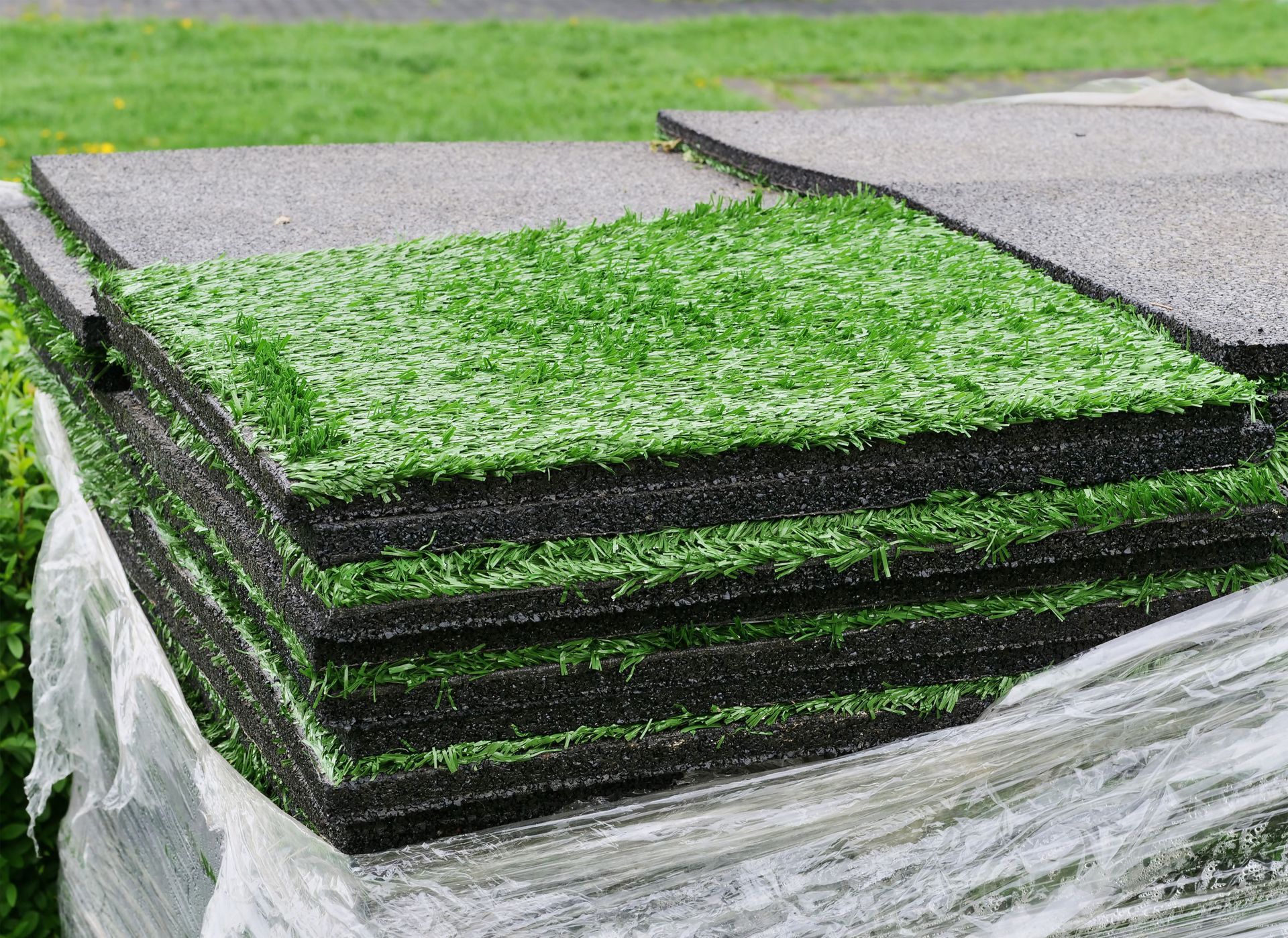
Another critical element of artificial turf technology is the use of recycled materials, namely tire crumbs. According to the Synthetic Turf Council, approximately 80% of tire crumbs are recycled to become artificial turf. This practice significantly reduces waste, contributing positively to the environment. The incorporation of recycled materials also enhances the cushioning effect, making turf installations safer for high-impact sports environments. As sustainability becomes increasingly prioritized, the role of recycled materials in artificial turf technology only promises to grow.
Installation Planning
The planning phase is critical in any artificial turf installation process. A thorough site assessment allows for a better understanding of the terrain, ensuring that all unique features are accounted for. This phase includes evaluating soil conditions, slope, sun exposure, and existing vegetation. It's essential to identify any potential obstacles or challenges that could affect the installation. Proper planning ensures that the turf installation process runs smoothly and that the final result meets expectations.
Climate considerations are another important aspect when planning for artificial turf installation. Different climates require different types of turf to best withstand the conditions. In areas with high temperatures, heat-resistant turf is advised to prevent fading and overheating. On the other hand, climates with high rainfall may need turf with superior drainage capabilities. Understanding and selecting the right turf for a specific climate helps ensure longevity and optimal performance throughout the year.
Legal and zoning issues should also be considered during the planning stage. Some areas have specific regulations regarding the use of artificial turf, especially concerning drainage and water management. Ignoring these regulations can lead to fines or forced removal, causing unnecessary disruptions and costs. Obtaining any necessary permits before starting the installation process is crucial. A well-planned project includes not only a beautiful lawn but also adherence to local laws and guidelines.
Preparation Essentials
Before installing artificial turf, a detailed preparation process is essential to lay the groundwork for durability and performance. The first step is soil analysis, which determines the suitability of the ground for installation. Understanding soil composition aids in selecting the appropriate base material and ensures adequate drainage. This analysis helps in preventing potential issues that could arise from soil shifting or inadequate support. Properly prepared soil forms the foundation of a long-lasting artificial turf system.
Clearing and leveling the ground is a critical step in the preparation process. Removing any existing vegetation, rocks, and debris ensures a smooth and even surface for the turf installation. Uneven ground can cause complications such as wrinkles or water pooling, ultimately affecting the turf's performance and appearance. After clearing, the ground is leveled to facilitate proper drainage and prevent water buildup. A well-prepared base contributes significantly to the aesthetic and functional success of the turf.
Installing a robust base layer marks the final stage of preparation. This involves applying a layer of compacted aggregate materials, such as gravel or crushed stone, to provide stability and drainage. The base layer acts as a foundation, absorbing pressure and preventing turf sagging over time. Proper drainage solutions, such as drainage trenches or perforated pipes, are employed to direct water away from the turf. Edge restraints are also installed to secure the edges of the turf, preventing them from lifting or curling. This preparation stage ensures that the artificial turf remains intact and well-maintained.
Installation Process
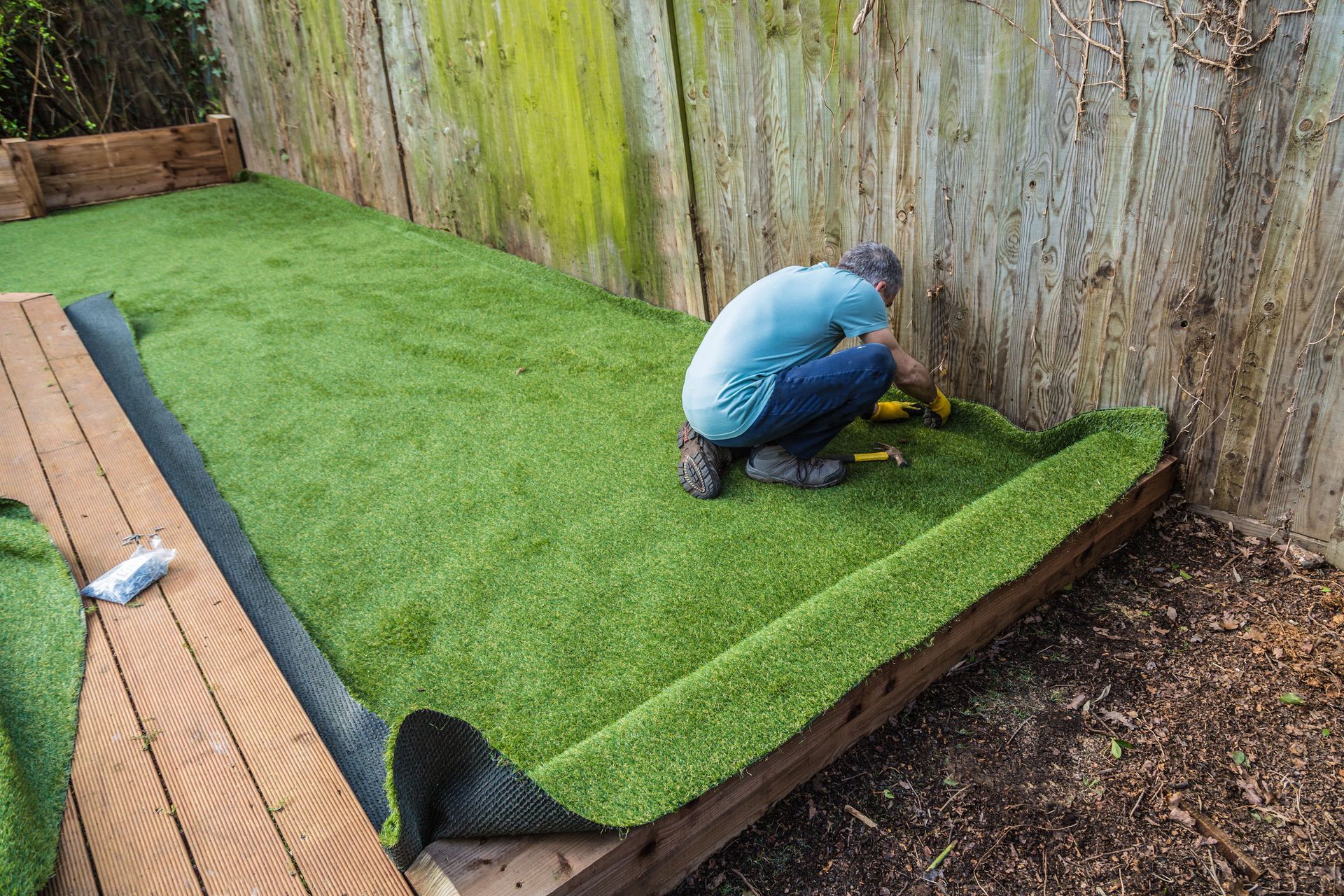
The artificial turf installation process begins with accurately measuring and cutting the artificial turf. Precise measurements guarantee that the turf fits perfectly within the designated area, avoiding excess material wastage. Cutting the turf in sections and fitting them together ensures uniformity and reduces visible seams. Before cutting, manufacturers' guidelines and specifications should be closely followed to maintain the integrity of the product. Properly measured and cut turf is critical to achieving a professional finish.
Joining multiple sections of turf necessitates specific techniques to ensure seamless connections. To achieve a high-quality finish, the edges of each section must be meticulously aligned. Specialized adhesive tapes and glues are applied to join sections securely. This step not only enhances the visual appeal but also ensures that the turf remains stable and does not separate over time. By joining sections skillfully, the entire installation mimics the natural grass look more effectively.
The final stages of the installation process involve securing the turf and applying infill material. Turf is secured around the perimeter with nails or staples, while the center areas are glued to prevent lifting. Infill, typically made of sand or rubber granules, is spread evenly across the turf, adding weight, cushioning, and stability. This infill also protects the grass fibers from damage and enhances the overall look and feel. The installation is completed with meticulous brushing, ensuring the fibers stand upright for a natural appearance.
Maintenance and Longevity
Regular maintenance is crucial to preserve artificial turf's appearance and functionality. Routine cleaning includes removing debris, such as leaves and twigs, to prevent them from becoming embedded in the fibers. Occasional hosing down of the turf helps eliminate dust and dirt, keeping the surface clean and inviting. Additionally, an application of a specialized cleaning solution can help combat odors and bacterial growth. Well-maintained artificial turf can remain vibrant and appealing for years.
Just as important as routine cleaning, repairing damage promptly is vital for maintaining the turf's longevity. Tears or loose seams should be fixed immediately using appropriate adhesives or patching solutions. Neglected damages can quickly worsen, potentially requiring substantial repairs or replacement. Regularly checking for signs of wear and addressing issues as they arise can significantly extend the lifespan of artificial turf. Taking a proactive approach to maintenance pays dividends in aesthetics and cost-effectiveness.
Cost Analysis and Benefits
Analyzing the cost of artificial turf involves considering both initial and long-term financial factors. The initial investment can be substantial, covering the cost of materials and professional installation. However, this expense is often offset by significant long-term savings. With the absence of watering, fertilizing, and regular lawn care services, homeowners can save considerably on maintenance costs over time. These savings make artificial turf a cost-effective solution for many regarding home landscaping.
Artificial turf installation also offers notable environmental benefits. By reducing the need for water, it eases the demand on local water resources, particularly in regions prone to drought. Additionally, the use of recycled materials in turf, such as tire crumbs, contributes to sustainability efforts. According to the Synthetic Turf Council, approximately 80% of tire crumbs are recycled to become artificial turf. This focus on sustainability enhances the eco-friendly aspect of artificial turf compared to traditional, water-hungry lawns.
From technological advancements to careful installation and maintenance, artificial turf presents a host of benefits and considerations often overlooked. As we explore these intricate details, it becomes clear that artificial turf is more than just an attractive addition to landscapes—it's a sophisticated, long-term investment. Whether you're considering a new installation or looking to understand the intricacies involved, these insights offer valuable guidance in making informed decisions. With proper planning and execution, the benefits of artificial turf can be enjoyed for years to come. For professional artificial turf installation you'll love, contact Turfnoggin today.